

Multiomic
precision medicine
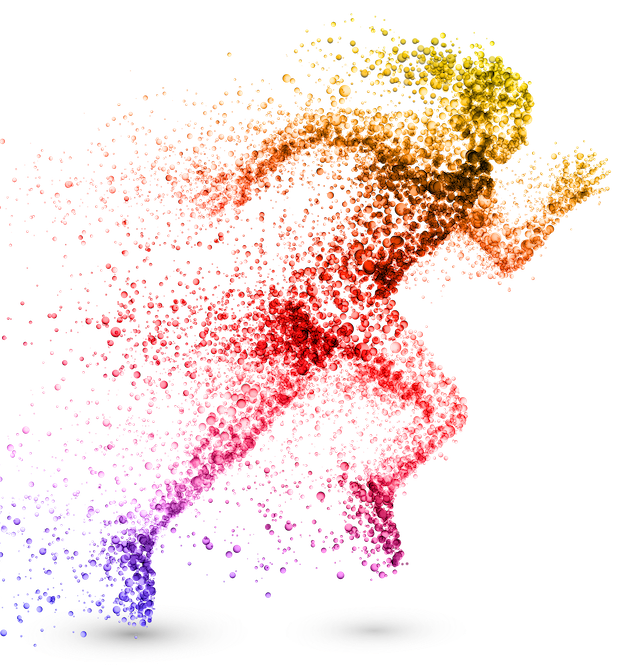
If genes are the blueprints of biological machines, proteins are the machine itself. All diseases cause protein changes, even before symptoms. Proteomics studies proteins in the biological machines. Our mission is to advance precision medicine by combining proteomics (and other omics) with artificial intelligence technologies.
Proteins in Healthcare
Doctors are already using many proteins (often in the form of a blood test) to assess general and specific health conditions. Common examples include hemoglobin A1c (HbA1c) to diagnose and monitor diabetes; liver panels testing ALT, AST, and ALP enzymes; and C-reactive protein (CRP) as a non-specific indicator of inflammation. The diagram below shows more such examples.
(Hover on each protein for details)
 Liver Disease
 Heart Disease
 Muscle Damage
 Diabetes
 Inflammation
 Cardiovascular Disease
 Kidney Disease
 Pancreatic Disease
As complicated as the above may seem, these are just a tip of the iceberger: the great majority of such associations unearthed by scientists remain in paper, with even more yet to be discovered.
Proteomics & Other Omics
In the meantime, life scientists continue to unravel the complicated relationships between biological measures (called biomarkers) and biological states. Genomics studies genes and their expression (i.e., making proteins). Proteomics studies how protein quantities and variations change in relation to biological functions and diseases. Metabolomics studies metabolites, namely small-molecule (intermediate and end) products of metabolism. Microbiome is the collection of microorganisms (e.g., bacteria and fungi) of a given community (e.g., colonies in the gastrointestinal tract).
Research in those omics (especially proteomics) has seen an explosion in the discovery of potential biomarkers for many complex diseases such as cancer, diabetes, and cardiovascular diseases. However, many studies are based on relatively small sample sizes, some are not rigorously designed, and some even partially contradict each other. There is a chasm between research activities and clinical applications.
What We Do
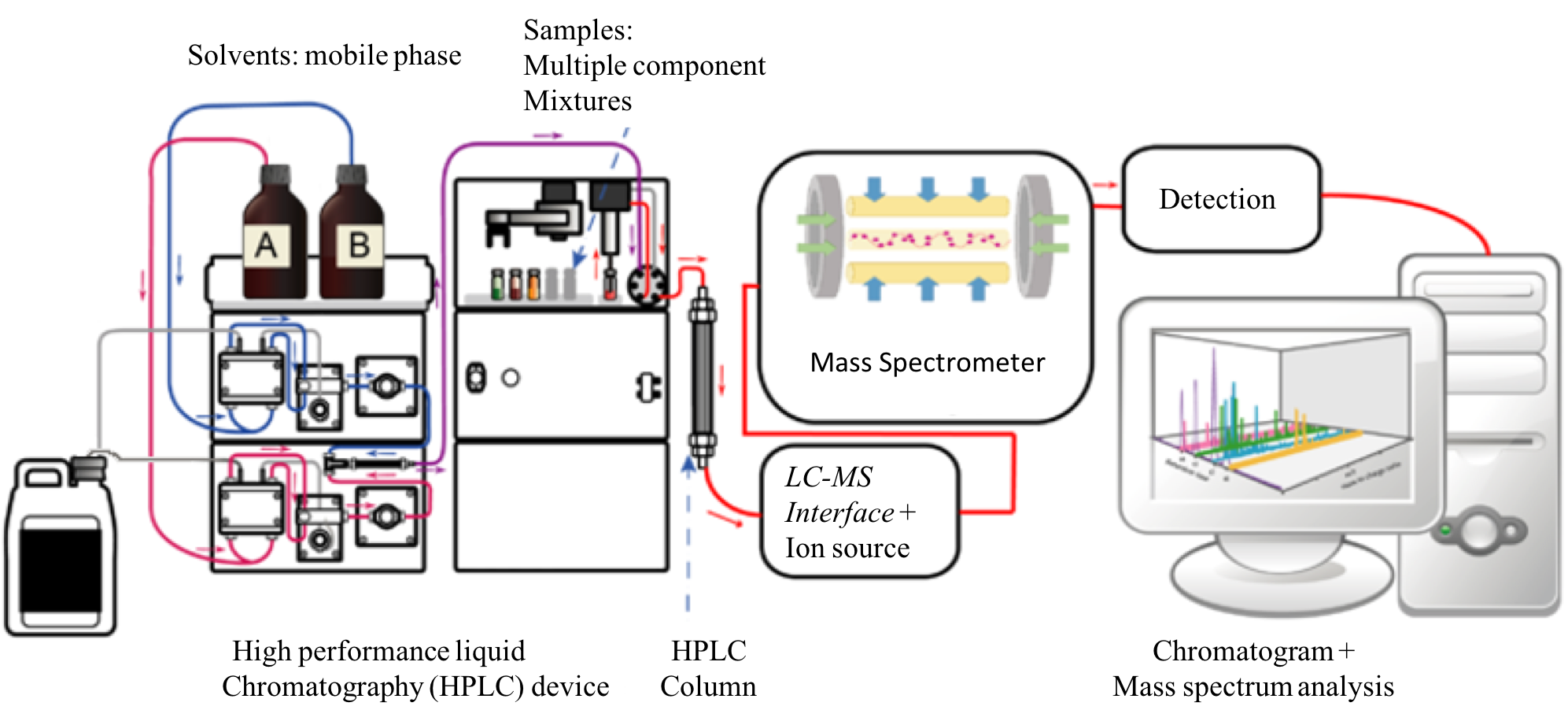
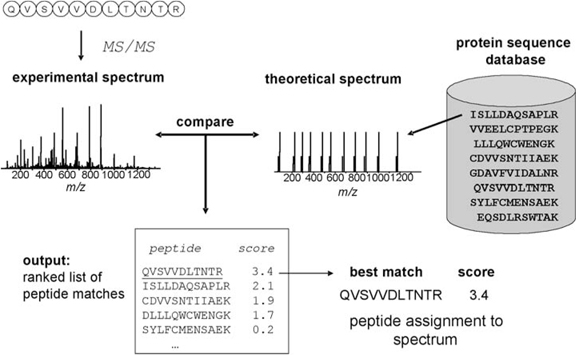
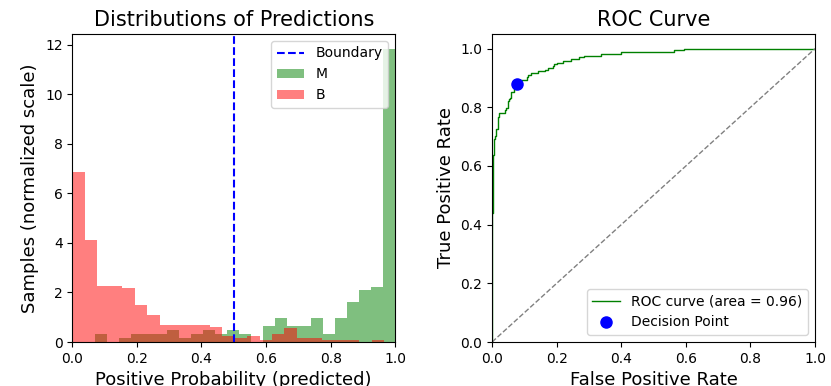
We use multiomics and AI to accelerate the discovery and clinical translation of novel biomarkers. Specifically, we leverage rapidly improving biomolecule instrumentation -- e.g., liquid chromatography (LC), mass spectrometry (MS), polymerase chain reaction (PCR), and next-generation sequencing (NGS) -- to generate rich multi-faceted biological data, and collaborate with research partners to ground the data in clinical settings. We use sophisticated analytics and machine learning algorithms to turn those data into biomedical insights and predictive AI models, which can then be used for the screening, diagnosis, stratification, prognosis, and therapeutics of various complex diseases.





Who We Are
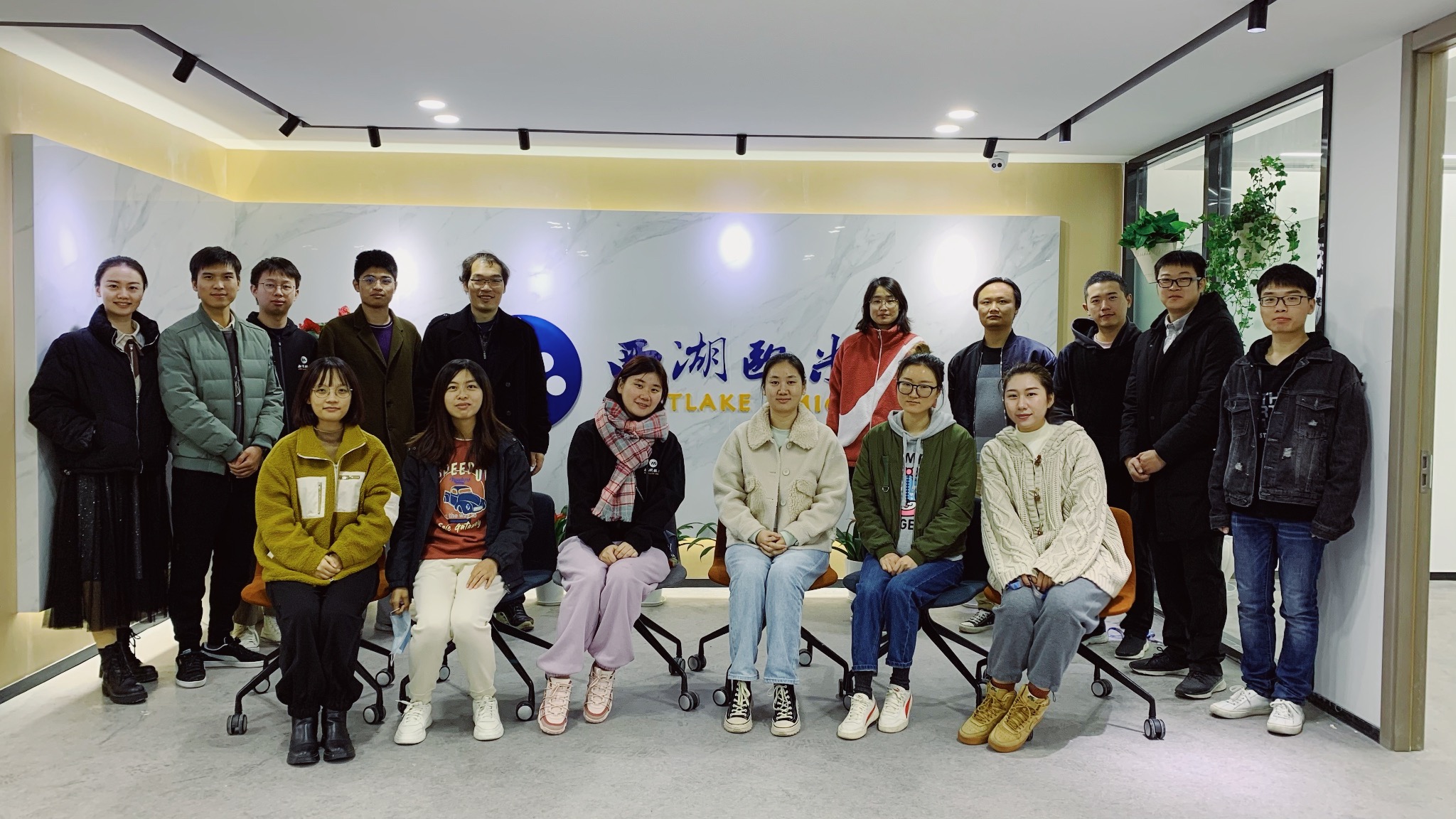
We are curious scientists, ambitious engineers, and hungry doers. Many of us came from Prof Guo's Guomics lab, where we witnessed the tremendous potential of data-driven proteomics and honed our skills on lab benches and in research projects. Here at Westlake Omics, we are excited to apply such skillsets with the same level of scientific rigor to the development of literally life-changing products! We can think of no mission more worthwhile.
What's New
Dec 4, 2020: We are co-hosting the 2nd annual Westlake symposium for clinical mass spectrometry!
Dec 5-6, 2020: We are organizing the 2020 workshop for clinical mass spectrometry!
Welcome to a new era of data-driven multiomic precision medicine.

Contact us

Follow us

Guomics Lab